
✶
✶
Let’s Modernize Menopause Care
✶
✶
✶
It's time to care for the caregivers
More than one in five Utah women are in or approaching menopause. They are our wives, mothers, sisters, friends, coworkers, leaders, and caretakers.
Yet the research, medical training, and resources surrounding menopause haven’t kept pace with what women need.
In 2027, The Policy Project is working to change that.
Menopause 101
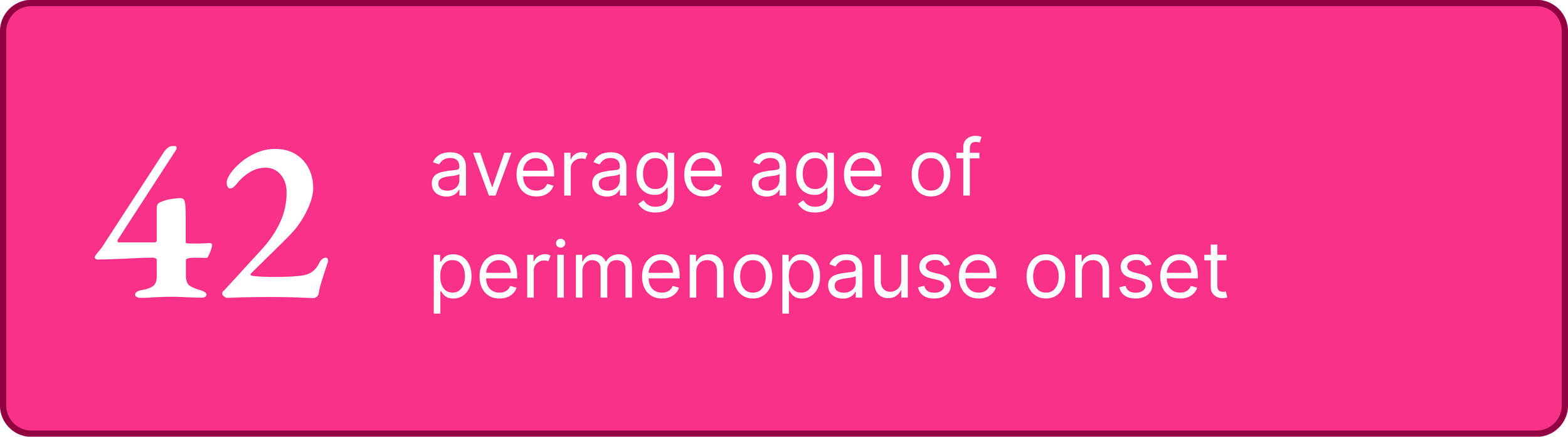
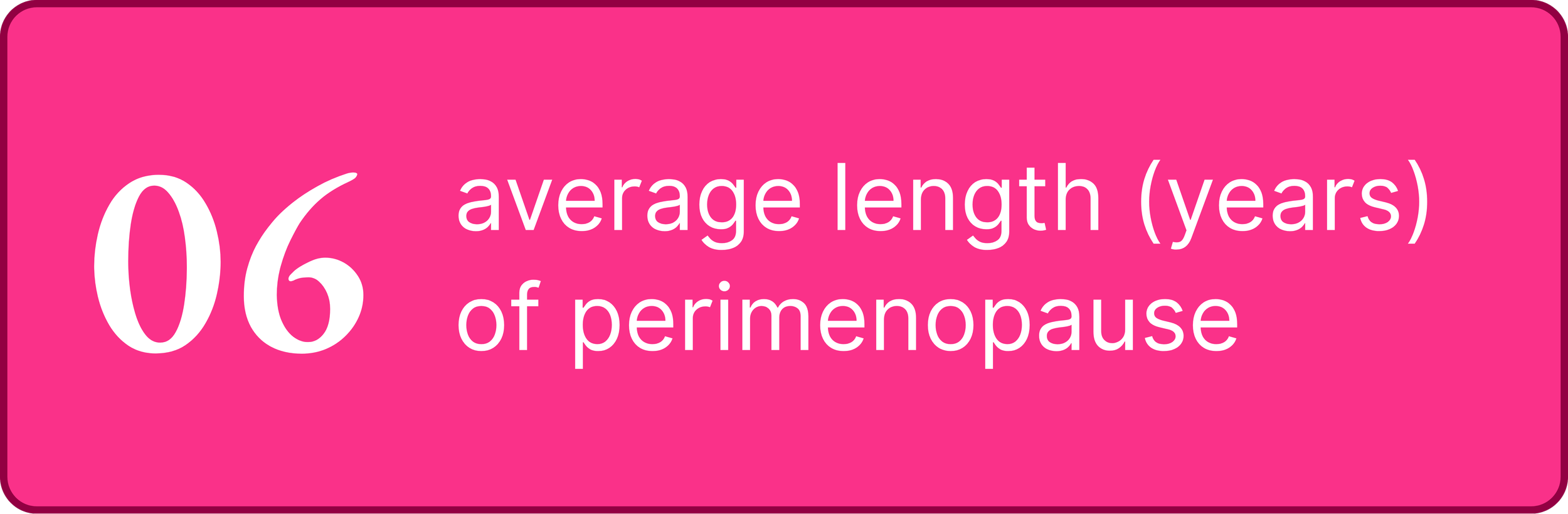
Perimenopause
The years leading up to menopause, when hormone levels begin to change. Periods often become irregular, and symptoms can start years before a woman realizes why.
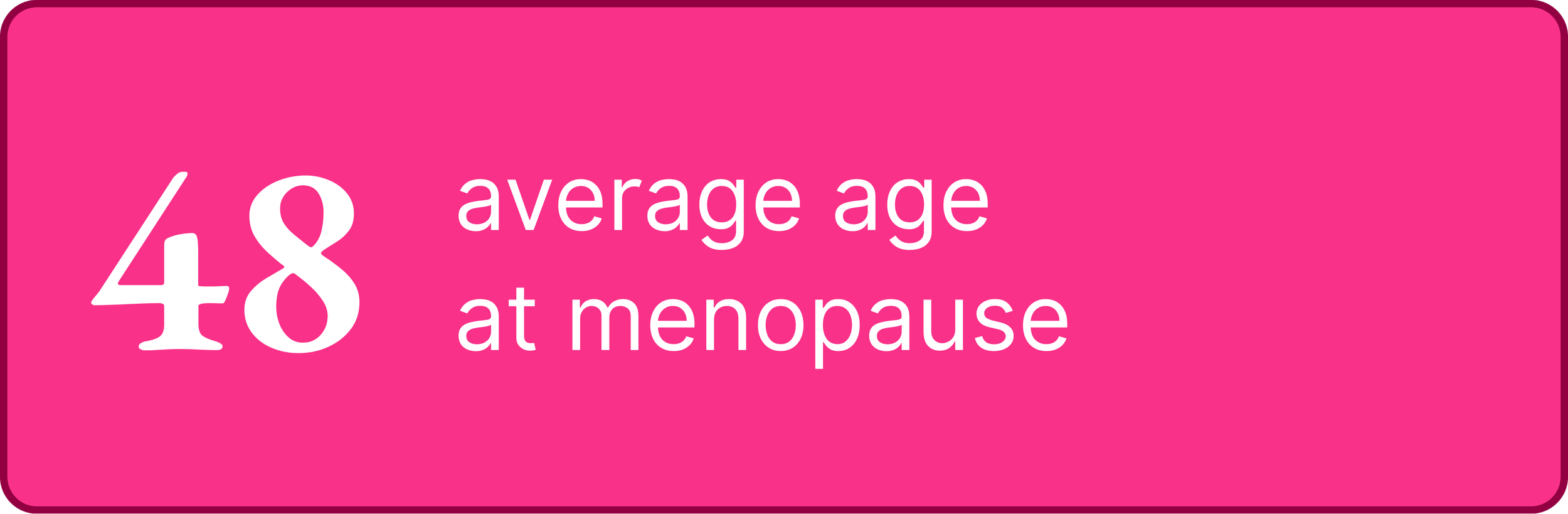
Menopause
A single point in time, marked once a woman has gone 12 consecutive months without a period.
Postmenopause
Everything after menopause, for the rest of a woman’s life.
It’s not just hot flashes.
Ask most people to name a menopause symptom, and they’ll probably say hot flashes. But in a recent survey of Utah women navigating this transition, hot flashes ranked seventh. The most common symptoms are ones we talk about far less:
✶ 93% fatigue
✶ 92% memory loss
✶ 89% difficulty focusing
✶ 87% trouble sleeping
✶ 83% irritability
✶ 83% nervousness
✶ 79% hot flashes
✶ 72% joint & muscle pain
✶ 66% changes in libido
✶ 65% anxiety
✶ 63% low mood
✶ 55% heart palpitations

How we’re modernizing menopause care
We started by listening to women. We looked at the research. We talked with medical providers, insurers, researchers, employers, and policymakers about what’s working and where more support could make a difference. Four policy solutions rose to the top.
Remove barriers to care
What We Know
45% of women in one study experienced symptoms for as long as six years before realizing they were connected to menopause.
1
What We’re Hearing
“I saw someone about my sleep. Then my anxiety. Then my weight gain. No one ever asked whether those things might be connected.”
SUSAN ✶ DRAPER, UT
What We Can Do
Help women recognize menopause symptoms earlier and get the care they need sooner. This could look like adding a simple perimenopause and menopause screening to preventive care in Utah, covered by insurance and reimbursed for providers.
Equip medical providers
2
What We Know
Nationally, 90% of family medicine, internal medicine, and OB-GYN residents say they don’t feel prepared to treat menopause.
67.4% of women seeking menopause care reported feeling dismissed or struggling to get the answers they needed.
What We’re Hearing
“It was so hard to find answers to my questions. I ended up doing most of my research on my own, talking to friends and Googling endlessly.”
MINDY ✶ WASHINGTON, UT
What We Can Do
Help more providers be prepared to recognize menopause symptoms, talk through treatment options, and connect women to the right care. This could look like creating a training program and menopause-informed designation for Utah providers, with incentives for completing additional education on menopause care.
Generate Utah-specific research
3
What We Know
The National Institutes of Health established menopause as a formal research category in 2023. In 2025, menopause research represented less than 0.12% of the NIH budget. Despite affecting half the population, menopause remains significantly under-researched.
What We’re Hearing
“We know more about menopause than we did a generation ago, but there are still gaps in our understanding that, if filled, could make a real difference for women.”
DR. ADAMS ✶ OREM, UT
What We Can Do
Invest in Utah-specific research to better understand menopause symptoms, care, and outcomes. This could look like launching the nation’s first state-funded menopause research grant program.
Make trusted answers easier to find
4
What We Know
59% of women in their 40s said they had never heard of perimenopause until they began experiencing it.
72% said they had to learn most of what they know on their own.
The Utah Department of Health and Human Services hosts resource pages for hundreds of health needs, but menopause isn’t one of them. There’s an opportunity to change that.
What We’re Hearing
“Once I finally had a name for what I was experiencing, I still didn’t know where to find information I could trust.”
ERICA ✶ LEHI, UT
What We Can Do
Make it easier to find trusted menopause information and know where to turn for support. This could look like creating a centralized, state-hosted resource hub where women, medical providers, and employers can find reliable information and resources.
Be part of the momentum
This movement is not exclusive to women. Menopause affects our families, our relationships, our workplaces, and our communities. We need women, men, spouses, teenagers, grandparents, employers, medical providers, policymakers—all of us—to be part of the solution.
S
H
O
W
U
P
Attend an Event
From service projects and community conversations to expert panels and advocacy events, there’s a way to get involved near you.
Host a Living Room Conversation
Invite people over to discuss menopause and learn together. We’ll give you everything you need to get started.
Move for Menopause
Are you a yoga, Pilates, HIGH Fitness, or other fitness instructor? Host a class to raise awareness and support better menopause care.
S
P
E
A
K
U
P
Share Your Story
Your unique experience can help policymakers understand what statistics alone can’t show.
Host a Postcard Party
Gather your friends, book club, or neighborhood to write postcards to your legislators and advocate for better care.
Use Your Platform
Are you a creator, podcaster, or journalist? Shine a spotlight on menopause, a topic that’s been in the shadows for too long.
Want to learn more? Start here.




Give today. Show up for Utah women.
Help us raise $5,000 for the 1 in 5 Utah women navigating this phase of life. Every dollar helps The Policy Project build awareness, advocate for better care, and create resources for the women we love.